



Age The probability of developing certain conditions changes significantly with age.
Location of Pain Anterior, medial, lateral, or posterior knee pain each indicate different underlying causes.
Onset Context Trauma, sudden twisting, increased activity level, or gradual onset. These three key factors help guide an accurate diagnosis right from your first consultation.
If you have ever exercised intensely, taken a long trip, or performed everyday activities and felt pain in one or both knees, this concern has likely crossed your mind. Over time, it is also increasingly common to notice knee issues affecting people around us.
Although knee pain is very common in adulthood—even without a prior diagnosis or immediate need for treatment—its causes can be diverse: sports injuries, overexertion, sprains, meniscus damage, ligament tears, cartilage degeneration, or conditions like synovitis or tumors, among others. However, worldwide, the most common cause is knee osteoarthritis (arthrosis), which also represents the most frequent form of osteoarthritis and the leading global burden of joint disease compared to other joints like the hip, spine, ankle, shoulder, or elbow.
If you have knee pain and don't know which specialist to see, here is an explanation of which doctors treat knee pain, when you should consult an orthopedic surgeon, and when rheumatology or physical therapy is needed in Guadalajara, Zapopan, and Jalisco.
Knee pain is typically evaluated initially by primary care physicians, such as:
Family Physician
Internist
Primary Care Provider
Orthopedic Specialist / Surgeon
They perform a complete medical history, a thorough physical examination, and order initial X-rays if necessary. Based on their findings and any red flag symptoms, they determine if a referral to another specialist is required.
For adults aged 45–50 with suspected knee osteoarthritis, primary care usually coordinates a stepped-care management plan and refers patients to a specialist if conservative treatments fail to show improvement.
Knee pain can be normal after intense physical exertion, but you should seek medical attention if you experience fever, severe inflammation, inability to bear weight on the leg, or rapid swelling following an injury. Some cases require urgent medical evaluation to prevent permanent joint damage.
Is it normal to have knee pain?
Knee pain can occur even under physiological (normal) circumstances. It frequently happens after:
Long walks during travel
Starting a new sports activity
A sudden increase in exercise intensity or volume
Changes in physical activity type
In these cases, the pain is usually temporary and improves with rest. However, if the pain persists or is accompanied by warning signs, it may indicate a potentially serious condition.
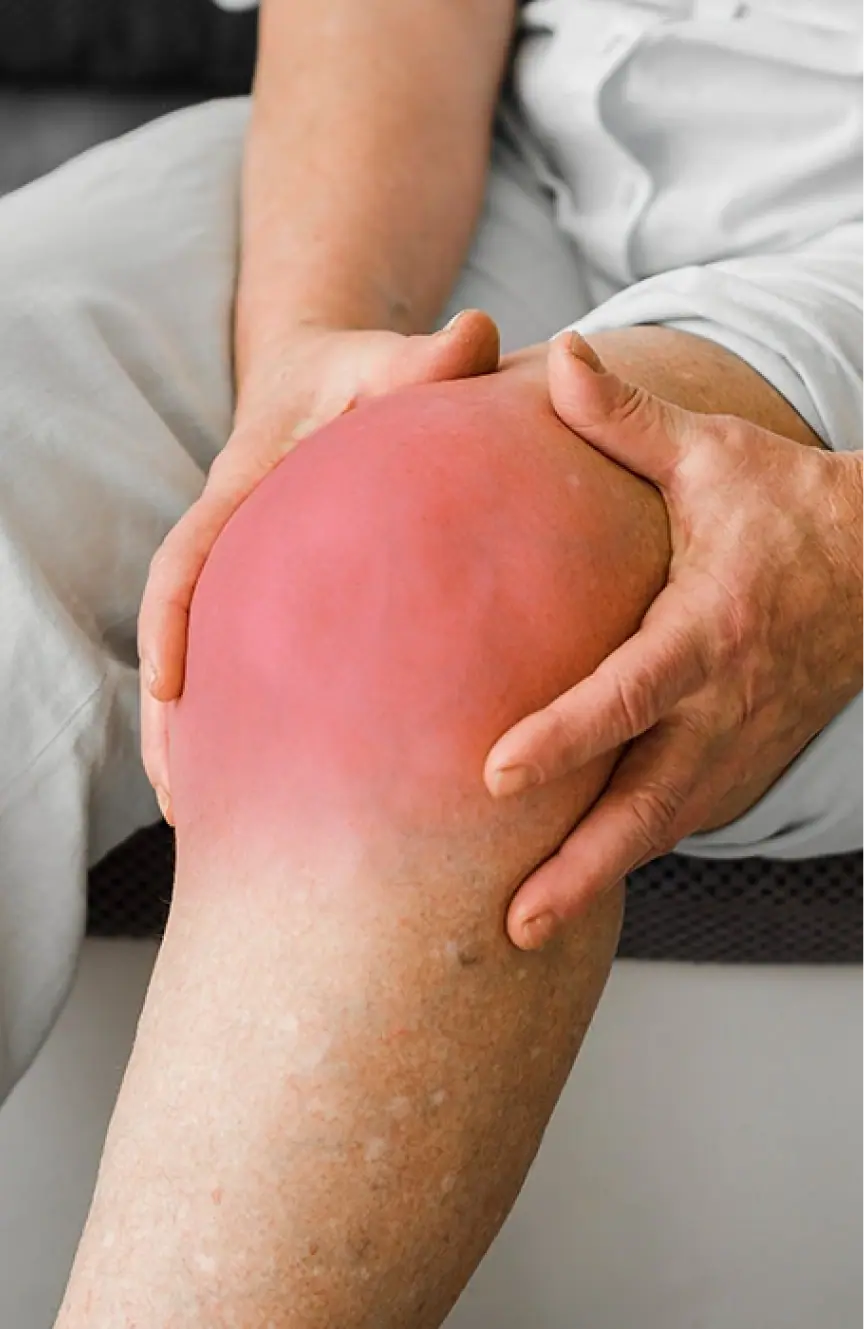
The short answer is: yes, it is very likely. Knee pain that develops gradually, worsens over time, increases with physical activity, and decreases with rest—accompanied by brief morning stiffness (≤30 minutes) and mild swelling—is characteristic of knee osteoarthritis (arthrosis). Do you feel knee discomfort when walking or standing up? The cause could be knee osteoarthritis. Discover the most common symptoms, key clinical data, and when to seek an evaluation with an orthopedic specialist.
In individuals over 45–50 years old, when pain occurs during weight-bearing activities (walking, climbing stairs, standing) along with brief stiffness when initiating movement, the likelihood of joint wear and tear is high. In primary care studies, osteoarthritis accounted for approximately 69% of diagnoses in patients with knee pain, identifying an age close to 50 as a clinically predictive landmark.
A meniscus injury in the knee usually occurs after a twisting movement, rotation, or sports trauma. The most common signs include localized pain along the joint line, a catching or locking sensation inside the knee, clicking, swelling, and pain when bending or rotating the joint. Clinical tests such as McMurray or Thessaly help guide the diagnosis, while Magnetic Resonance Imaging (MRI) allows for high-precision confirmation. Early diagnosis helps define the appropriate treatment and prevents progressive joint damage.
A meniscal lesion is a common cause of knee pain following a sudden twist, rotation, or impact during sports or daily activities. Symptoms that increase suspicion of a meniscus tear include joint line tenderness, clicking or locking sensations, joint effusion (fluid buildup), and pain when squatting or rotating the knee.
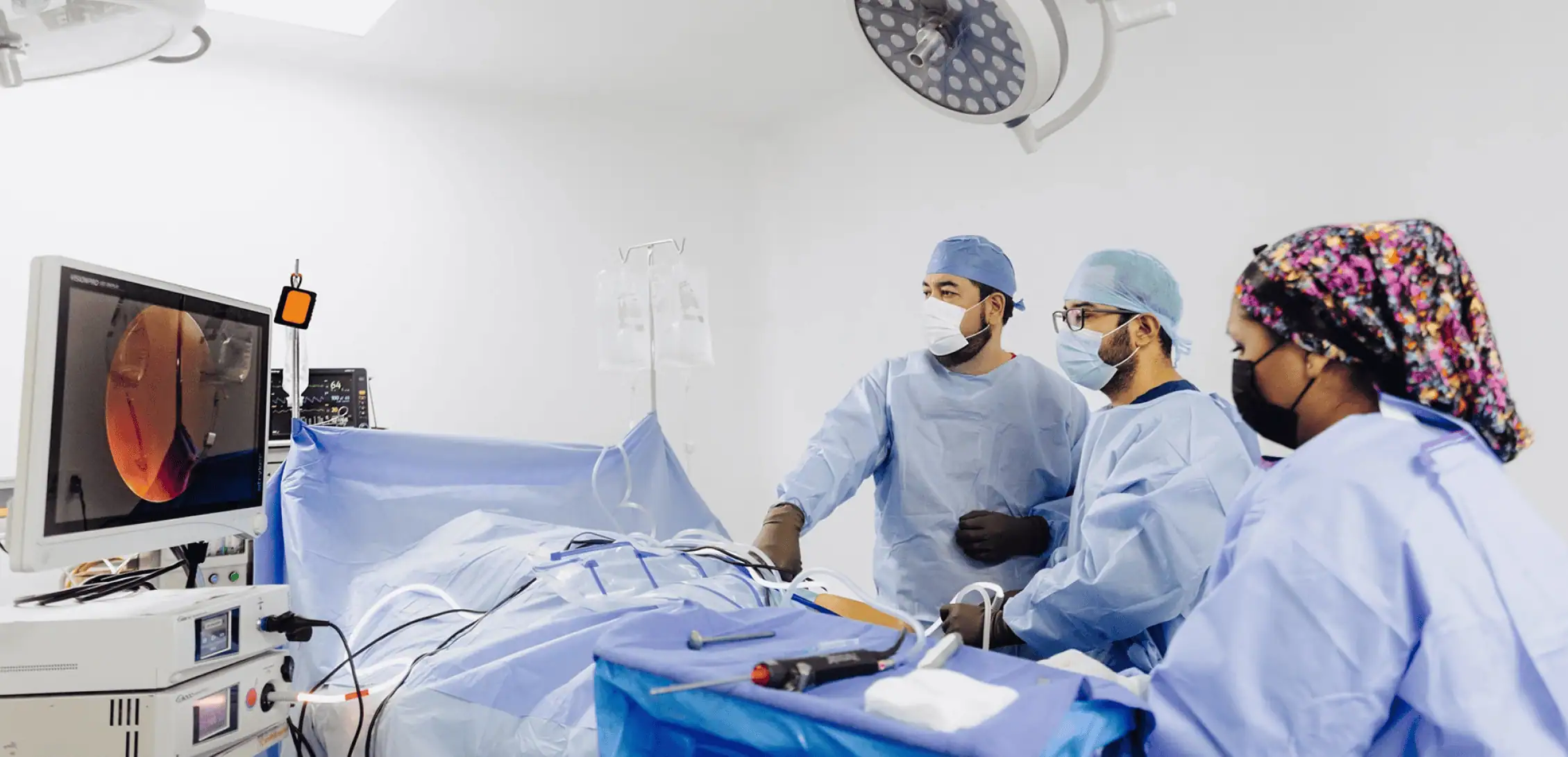
To confirm the diagnosis, Magnetic Resonance Imaging (MRI) offers high diagnostic accuracy, while knee arthroscopy is considered the gold standard reference method to definitively identify a meniscal injury.
When a patient experiences knee joint line pain accompanied by clicking or locking after a twisting movement, and clinical tests like McMurray or Thessaly are positive, suspicion of a meniscus injury is high.
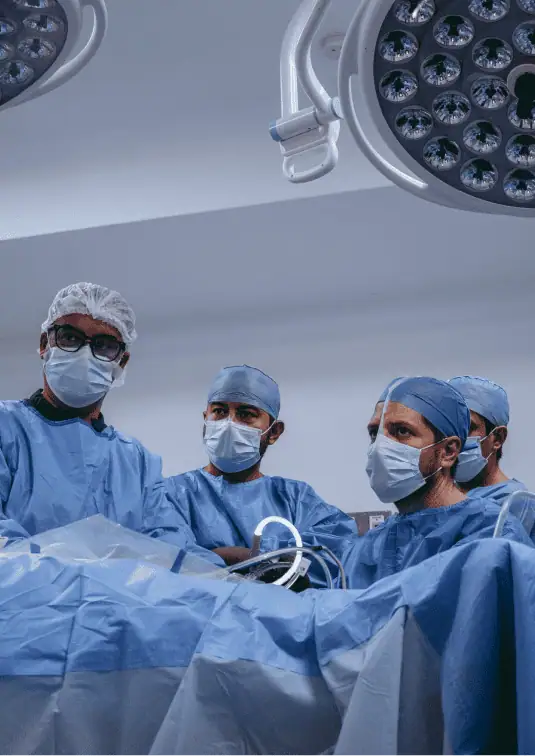
Magnetic Resonance Imaging (MRI) allows for accurate diagnostic confirmation and guides the most appropriate treatment, which may include conservative management, physical therapy, or knee arthroscopic surgery depending on the type and extent of the injury.
If you experience persistent knee pain, joint locking, or suspect a meniscus injury, a specialized knee evaluation is essential to prevent the injury from worsening over time.
Schedule a consultation with a knee specialist in Guadalajara or Tijuana to determine if a meniscal injury is present and explore the best treatment plan for your case.
If you have persistent knee pain or suspect a meniscus tear, timely evaluation is crucial to stop the problem from progressing.
Dr. Esteban Castro – Knee & Sports Injury Specialist in Guadalajara / Tijuana, your best option if you are looking for:
Meniscus injury treatment
Knee pain specialist
Torn meniscus care
Meniscal tear symptoms
Knee MRI evaluation
Knee arthroscopy
Knee specialist in Guadalajara
Orthopedic knee surgeon in Guadalajara

Español: +523310259669
English: +523316865184
Calderón de la Barca 29, Col. Arcos Vallarta, 44130, Guadalajara, Jalisco, Mx.