





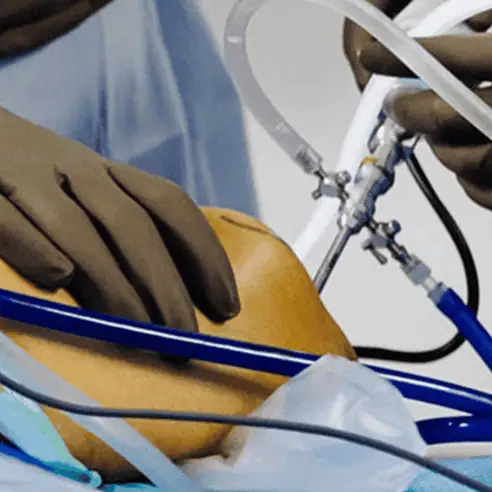

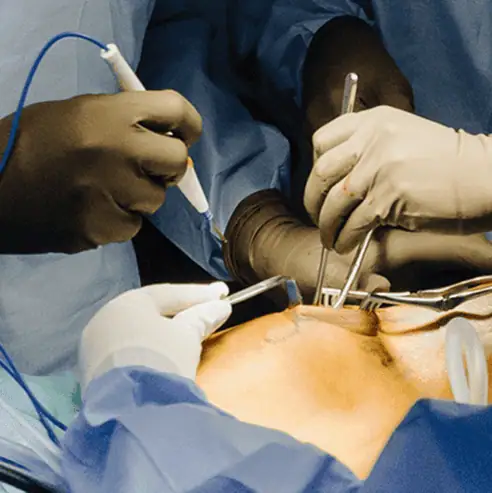
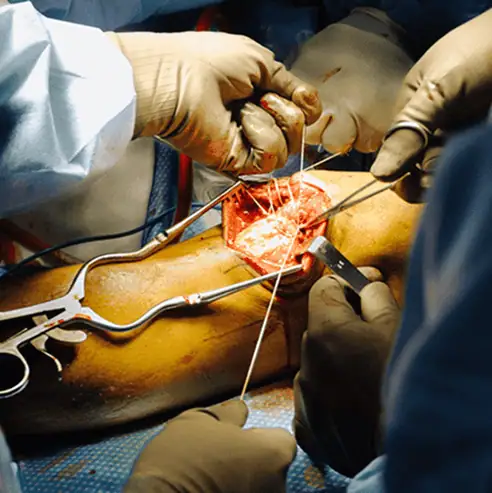
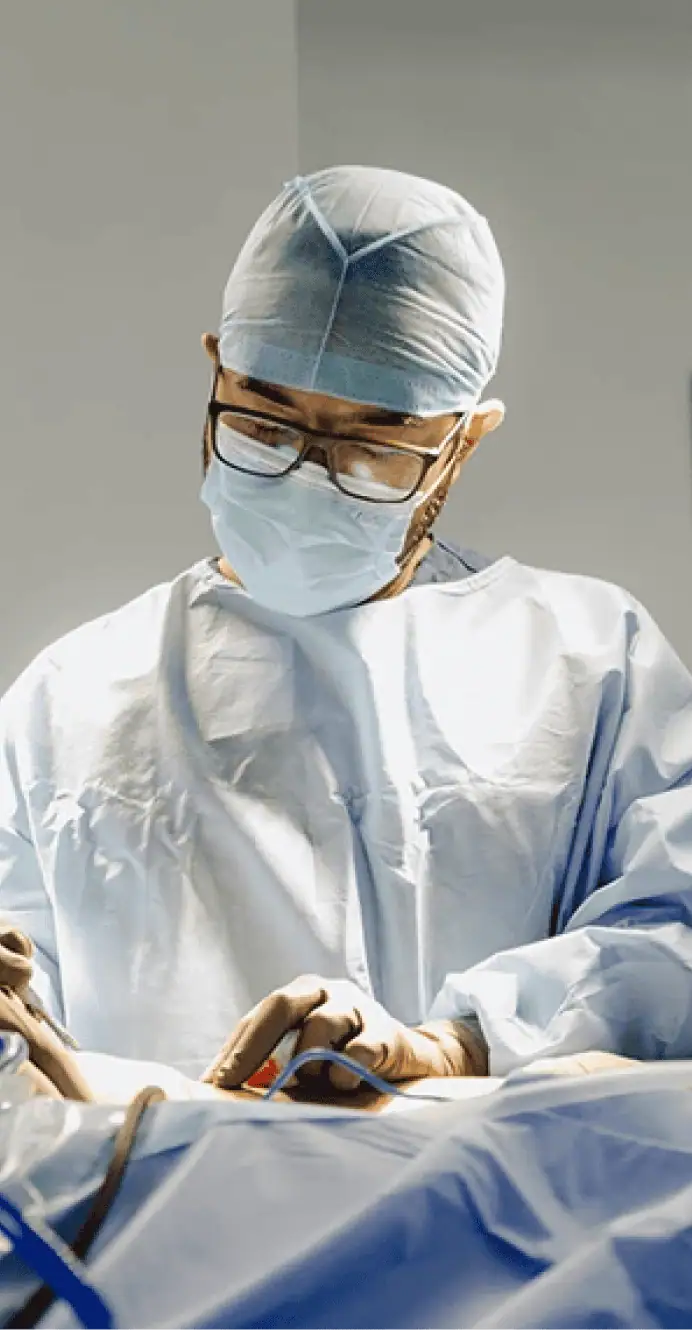





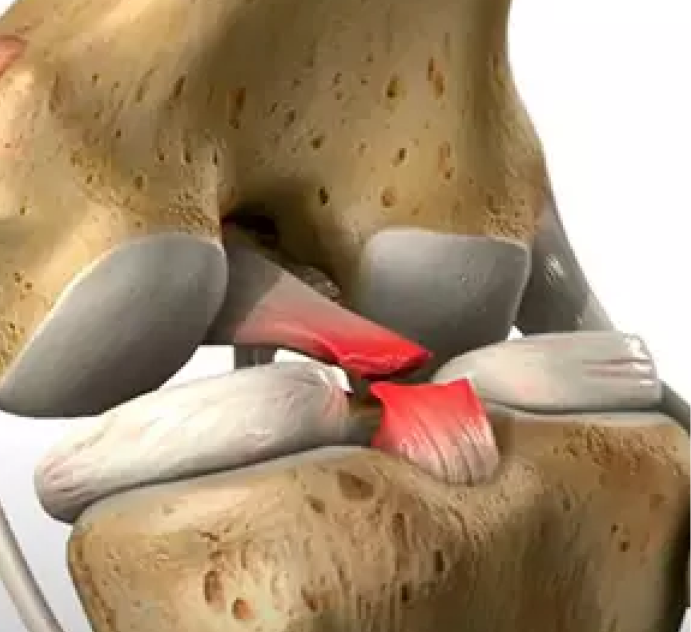






A knee replacement is a biomedical engineering device that replaces the joint surfaces of the patient's natural knee (or any other joint in their respective cases) when they show wear and tear that causes pain, deformity, or impairs function. Contrary to what most people might think, only the SURFACE of the joint is replaced—much like reconstructing the "shell" where movement occurs between the three bones that form it—rather than replacing the entire knee segment as a single "block."
Knee replacement surgery is undoubtedly the most widely performed orthopedic procedure worldwide, boasting the highest satisfaction rates among both patients and surgeons. Statistics vary by country; for instance, in Spain, cases grew from roughly 12,500 replacement surgeries in the 1990s to 25,000 in the following decade, with a joint survival rate exceeding 95% at 10 years (the knee replacement remains unchanged in 95 out of 100 operated patients after 10 years).
The indication for TKA (Total Knee Arthroplasty or Knee Replacement) is based on pain, severe functional limitation, and radiological signs of advanced joint damage in a relatively sedentary patient whose symptoms cannot be managed through alternative conservative treatments (oral or injectable medications, joint injections, rehabilitation, physical therapy, etc.).
To establish this recommendation, multiple variables must be evaluated, including age, associated conditions (diabetes mellitus, hypertension, kidney disease, etc.), functional demands (whether the patient maintains an active lifestyle), psychological disposition, and technical considerations. Identifying patients at higher risk of failure (such as active smokers or those with poor adherence to medical treatments) is equally essential.
Unicompartmental knee replacement: This is a specialized type of replacement where only a portion of the knee is replaced rather than the entire joint, addressing localized overload and wear in a single compartment (typically the inner aspect of the knee). Careful patient selection is vital, and the operating surgeon must be highly experienced, as this procedure is much less forgiving of technical errors compared to traditional total replacement.
Patellofemoral knee replacement: This implant specifically addresses wear restricted to the patellofemoral joint (the front compartment of the knee). By definition, a patient is only a candidate if joint degeneration is strictly confined to this region. The surgical technique demands extreme precision regarding bone cut orientation and depth, meaning it should only be performed by surgeons with extensive skill and expertise in this procedure.
Tumor knee replacement (Oncologic prostheses): These specialized modular systems are indicated for patients with major bone defects resulting from severe angular deformity, complex fractures, or tumors that destroy significant bone tissue in the knee. These interchangeable modular components allow for a wide variety of sizes and configurations, resolving complex cases that were previously considered untreatable.
Complications occur in 5% to 8% of all knee replacement procedures, meaning that the vast majority of patients (92% to 95%) achieve good to excellent outcomes, regardless of technique or individual variables (weight, pre-existing conditions, surgical expertise, implant selection, among others). The most common potential complications include:
Infection: The most frequent complication, ranging from superficial skin infections to deep bone osteomyelitis.
Thrombosis: Obstruction of venous blood flow caused by a blood clot.
Embolism: Occurring in about 1% of cases, where a blood clot dislodges and travels through the venous system, causing blockages in other major organs or systems such as the lungs, brain, or digestive tract.
Infections: Both superficial skin infections and deeper soft tissue or ligament graft involvement.
Allergic reactions to medications: Particularly when patients undergo their first surgery, as newly introduced drugs may trigger unexpected sensitivities.
Implant failure or loosening: Typically occurring if postoperative rehabilitation programs, weight management guidelines, or activity instructions are not followed correctly.


Español: +523310259669
English: +523316865184
Calderón de la Barca 29, Col. Arcos Vallarta, 44130, Guadalajara, Jalisco, Mx.